The unbridled growth of Big Tech over the past two decades has been one of the defining narratives of the modern global economy. Companies like Google, Apple, Amazon, Meta, and Microsoft have woven themselves into the very fabric of daily life, revolutionizing communication, commerce, and access to information. However, the era of perceived digital lawlessness is drawing to a close. A formidable and coordinated global backlash is now underway, as regulators and lawmakers across the world mobilize to challenge the immense power concentrated in the hands of a few Silicon Valley titans. This is not a series of isolated skirmishes but a full-scale regulatory war, fought on multiple fronts: antitrust, data privacy, content moderation, and tax reform. The central question at the heart of this monumental struggle is no longer if these companies should be regulated, but how, and what the future of a tamed digital ecosystem will look like for consumers, competitors, and the tech giants themselves.
A. The Core Allegations: Understanding the Case Against Big Tech
To comprehend the scale of the regulatory response, one must first understand the fundamental grievances that have galvanized governments worldwide. The accusations are not merely about being large; they are about specific anti-competitive and socially harmful practices.
A.1. Antitrust and Anti-Competitive Behavior
This is the oldest tool in the regulatory toolbox, now being applied to digital markets with renewed vigor. The core argument is that Big Tech companies are no longer just successful competitors; they have become unassailable gatekeepers that stifle innovation.
-
Predatory Pricing and Self-Preferencing: A dominant platform can use its profits from one area to subsidize losses in another, undercutting competitors until they are driven out of the market. A classic allegation against Amazon is that it uses data from its own third-party sellers to identify and then launch its own competing products, which it then prominently features on its platform.
-
The “Killer Acquisition” Strategy: Large tech firms have a history of acquiring nascent competitors before they can become a threat. Instagram and WhatsApp’s acquisitions by Meta (then Facebook) are frequently cited as prime examples, allegedly neutralizing future competitive risks and consolidating market power in social networking.
-
Platform Neutrality and App Store Control: Apple and Google face intense scrutiny over their control of their respective mobile app stores. Critics argue that their mandatory use of proprietary payment systems (and the accompanying 15-30% commission), along with rules that disadvantage competing services, constitute an abuse of their gatekeeper power.
A.2. Data Privacy and Surveillance Capitalism
The business model of “surveillance capitalism,” where user data is the primary resource for targeted advertising, is now under a legal and ethical microscope.
-
Lack of Meaningful Consent: Regulators argue that the current model of long, complex terms of service agreements does not constitute informed user consent for the vast and intricate data harvesting that occurs.
-
The Network Effect and Data Moats: The value of a platform increases as more users join it (the network effect). This also creates a “data moat”—the immense trove of user data a company collects becomes a barrier to entry for any competitor, as a new entrant cannot offer the same level of personalized service or targeted advertising.
-
Manipulative Design and Dark Patterns: User interfaces are often designed to nudge users toward choices that benefit the platform’s data collection goals, making it difficult to find privacy settings or easily opt out of tracking. This practice, known as using “dark patterns,” is a key target for new regulations.
A.3. Content Moderation and Societal Responsibility
The role of tech platforms as de facto arbiters of public discourse has placed them in an impossible position, facing criticism from all sides of the political spectrum.
-
The Amplification of Harmful Content: Algorithms designed to maximize user engagement have been found to inadvertently promote divisive, misleading, and extremist content. The spread of misinformation, hate speech, and incitements to violence has led to public outcry and political pressure.
-
The “Censorship” Debate: Simultaneously, these companies face accusations of political bias and censorship when they do remove or label content, particularly from conservative groups. This has created a “damned if you do, damned if you don’t” scenario for platforms like Meta and Twitter.
-
Liability Shields and Section 230: In the United States, Section 230 of the Communications Decency Act provides platforms with immunity from liability for content posted by their users. There is a growing, bipartisan push to reform or repeal this law to force companies to take more responsibility for the content they host and amplify.
B. The Global Regulatory Arsenal: Laws and Actions in Play
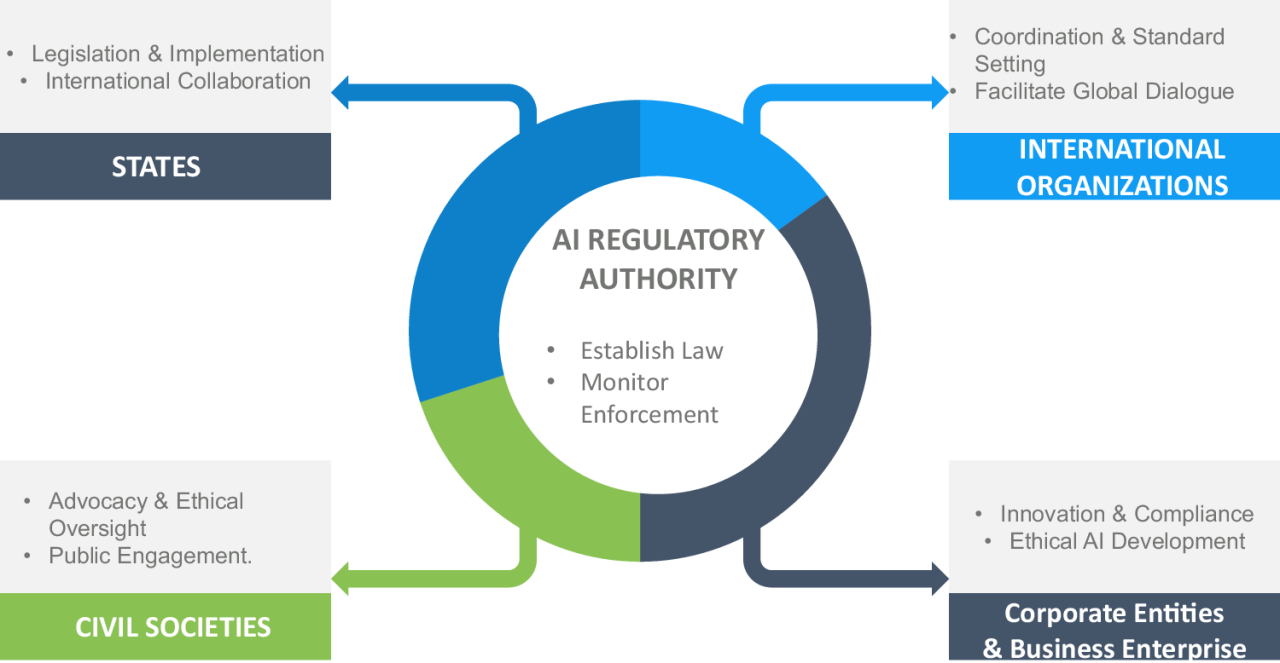
The response to these allegations has been a wave of new legislation and aggressive legal action spanning multiple continents.
B.1. The European Union: The World’s De Facto Digital Regulator
The EU has positioned itself as the global pioneer in tech regulation, using its large market as leverage to set de facto global standards—a phenomenon known as the “Brussels Effect.”
-
The Digital Markets Act (DMA): This landmark legislation directly targets the “gatekeeper” power of the largest tech firms. It imposes a list of “do’s and don’ts,” including banning self-preferencing, forcing interoperability between messaging platforms, and allowing users to uninstall pre-loaded apps. Non-compliance can result in fines of up to 20% of global turnover.
-
The Digital Services Act (DSA): This act focuses on creating a safer digital space. It mandates transparent content moderation practices, provides users with more control over recommendations, and requires very large online platforms to conduct systemic risk assessments and mitigate risks like the spread of disinformation.
-
The General Data Protection Regulation (GDPR): While not new, GDPR remains the world’s toughest data privacy law, giving users control over their personal data and imposing heavy fines for non-compliance. It has become a model for many other countries.
B.2. The United States: A Multi-Pronged Assault
The U.S. approach has been more fragmented but no less aggressive, involving multiple federal agencies, state attorneys general, and congressional efforts.
-
The Department of Justice (DOJ) vs. Google: This is arguably the most significant U.S. antitrust case in decades. The DOJ has filed two major lawsuits, one focusing on Google’s alleged monopolization of search through exclusive distribution agreements (like paying Apple to be the default search on Safari), and another targeting its dominance in the digital advertising technology stack.
-
The Federal Trade Commission (FTC) vs. Meta: The FTC, under Chair Lina Khan, is pursuing a major case seeking to force Meta to divest Instagram and WhatsApp, arguing the initial acquisitions were illegal. The FTC is also actively scrutinizing Amazon’s business practices.
-
State-Level Initiatives: States like California have taken the lead with their own robust data privacy laws (the CCPA/CPRA), and bipartisan groups of state attorneys general have joined federal lawsuits or launched their own against tech giants.
B.3. The United Kingdom and Other Nations
Other major economies are following suit, creating a complex web of compliance requirements for global tech firms.
-
The UK’s Competition and Markets Authority (CMA): The CMA has established a dedicated Digital Markets Unit with the power to enforce a new pro-competition regime for tech giants, including the ability to impose conduct requirements and intervene in mergers.
-
Global Momentum: Countries from Australia (with its News Media Bargaining Code) to Japan and India are drafting and implementing their own versions of digital competition and safety laws, ensuring that the pressure on Big Tech is truly worldwide.

C. Potential Outcomes and The Future of the Digital Economy
The ultimate impact of this global regulatory crackdown is still uncertain, but several potential futures are emerging.
C.1. The Breakup Scenario: A Return to Smaller Units?
The most dramatic outcome would be the forced structural separation of tech giants.
-
Arguments For: Proponents argue that breaking up companies like Google into separate search, advertising tech, and Android units would restore competition and innovation. It would prevent the cross-subsidization and self-preferencing that currently stifles rivals.
-
Arguments Against: Opponents, including the tech companies, contend that breakups would harm consumers by degrading the seamless integration and convenience of services. They also argue that it would undermine the economies of scale that allow for massive investment in infrastructure and R&D.
C.2. The “Walled Garden” Dismantlement Scenario
A less drastic but still profound outcome would be the forced “opening up” of closed ecosystems.
-
Interoperability Mandates: Regulations like the DMA could lead to a world where you can send a message from WhatsApp to Signal or Apple’s iMessage, breaking down the walls between platforms.
-
Side-Loading and Alternative App Stores: Forcing Apple and Google to allow users to install apps from outside their official stores (“sideloading”) would fundamentally challenge their app store business models and create new avenues for software distribution.
C.3. The Compliance and Stifled Innovation Scenario
A more likely near-term outcome is that Big Tech becomes a heavily regulated industry, much like finance or telecommunications.
-
The Rise of the Compliance Officer: Tech companies are already hiring thousands of lawyers and compliance experts to navigate the new regulatory landscape. This increased operational cost may slow down the pace of innovation and product development.
-
A More Cautious Approach to M&A: The regulatory scrutiny has already made “killer acquisitions” nearly impossible, leading Big Tech to be far more cautious about deals, which could, in turn, impact the funding and exit strategies for startups.
C.4. The Unintended Consequences
As with any major regulatory shift, there is a risk of unintended outcomes.
-
Advantaging the Incumbents: The immense cost of compliance with a patchwork of global laws could paradoxically cement the position of the largest incumbents, as smaller startups lack the resources to navigate the complex legal requirements.
-
Slowing Beneficial Innovation: Overly broad regulations could hinder development in critical areas like artificial intelligence and cloud computing, where large-scale investment is necessary for progress.
Conclusion: An Irreversible Shift in the Digital Power Balance
The age of passive permission for Big Tech is unequivocally over. The global regulatory chase is not a temporary phenomenon but a permanent recalibration of the relationship between technology, market power, and society. While the path ahead is fraught with legal battles, lobbying efforts, and complex policy debates, the direction of travel is clear. The digital wild west is being settled, and new rules of the road are being written. The outcome of this struggle will define the shape of the internet and the digital economy for generations to come, determining whether we end up with a more competitive, innovative, and accountable tech landscape, or one mired in compliance and unintended stagnation. One thing is certain: the tech giants can no longer operate with the expectation that their size and influence will shield them from public accountability.
Tags: big tech regulation, antitrust laws, digital markets act, data privacy, google lawsuit, meta FTC, app store regulation, tech monopoly, digital competition, silicon valley regulation