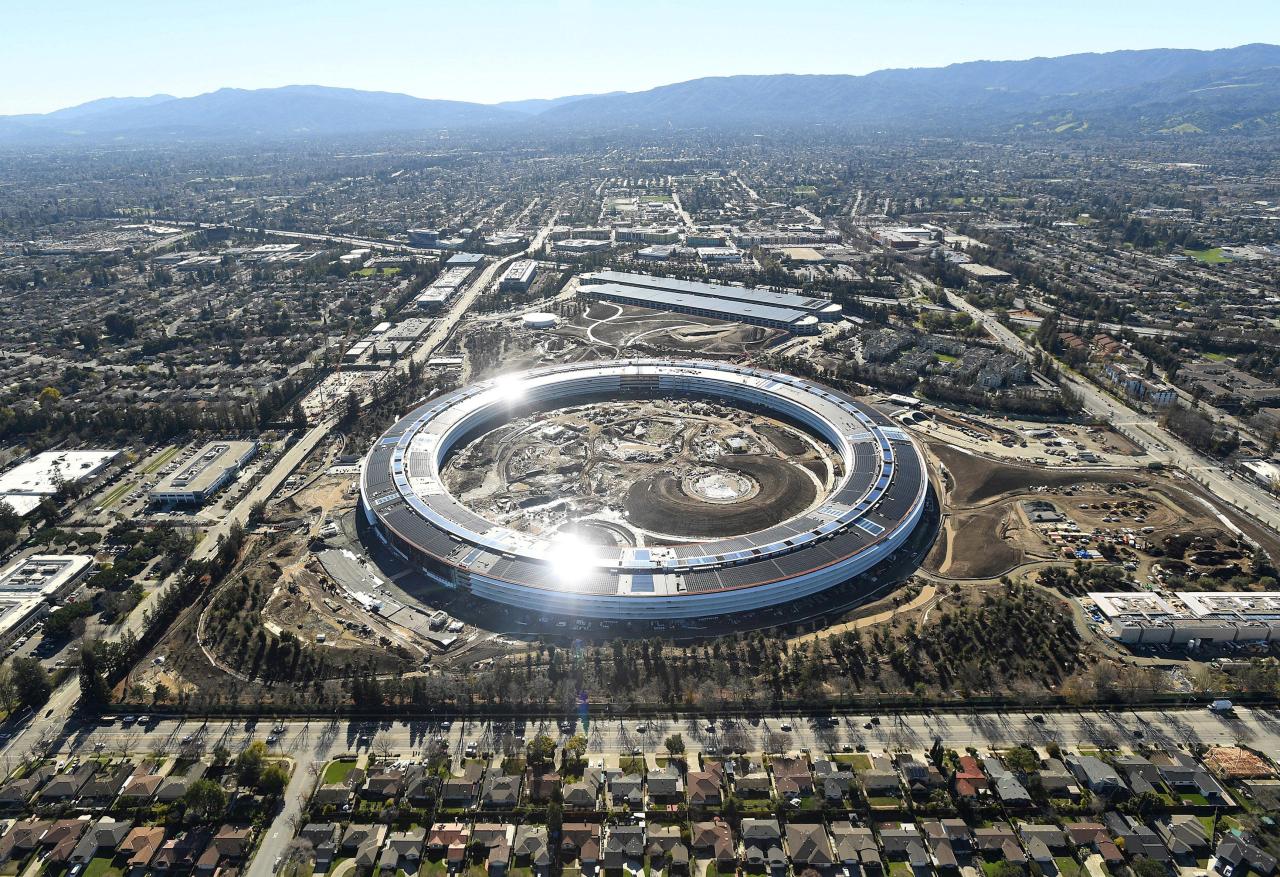
Silicon Valley has always been the global epicenter of technological disruption, a place where grand visions are relentlessly pursued and billion-dollar industries are born from garage-based daydreams. The cycle of obsession is fundamental to its culture; first it was personal computers, then the internet, social media, mobile apps, and the sharing economy. Each wave redefined how we live, work, and connect. However, as we move deeper into the 2020s, the Valley’s focus has shifted from purely digital platforms to a new set of foundational technologies that promise to reshape reality itself. The current zeitgeist is no longer about a single “killer app,” but a convergence of powerful, interconnected fields. The new obsessions are Artificial Intelligence’s practical application, the building blocks of the immersive metaverse, a radical rethinking of climate tech, and biology’s transformation into an information science. Understanding these focal points is key to anticipating the next decade of global technological and economic trends.
A. The Generative AI Gold Rush: Beyond the Hype
The explosion of Generative AI, catalyzed by the public release of models like ChatGPT, has ignited the most significant frenzy in Silicon Valley since the advent of the iPhone. This is not just an incremental improvement in computing; it is a fundamental shift in human-machine interaction.
A.1. The Foundational Models and the Platform Shift
At the core of this obsession are Large Language Models (LLMs) and diffusion models for image generation. These are not mere tools but new computing platforms in their own right.
-
From Deterministic to Probabilistic Computing: Traditional software follows strict “if-then” rules. Generative AI operates probabilistically, creating novel content—text, code, images, music—based on patterns it learned from vast datasets. This shift is as profound as moving from command-line interfaces to graphical user interfaces.
-
The “Co-pilot” Paradigm: The immediate application is augmenting human capability across every professional domain. AI is becoming a co-pilot for developers (GitHub Copilot), marketers (copywriting AIs), designers (Adobe Firefly), and researchers (AI-powered scientific literature review). The goal is to amplify productivity and creativity by handling routine tasks and generating initial ideas.
-
The Vertical AI Opportunity: While giants like OpenAI and Google develop general-purpose models, a massive wave of startups is building vertical-specific AI. This includes AI trained exclusively on legal documents, medical research, architectural designs, or supply chain logistics, offering far greater accuracy and value for specialized professions.
A.2. The Scramble for Infrastructure and Monetization
The gold rush is not just in applications, but in the picks and shovels.
-
The Compute Power Bottleneck: Access to high-performance GPUs from NVIDIA and cloud computing resources has become the most critical and scarce resource, dictating the pace of innovation. Startups and investors are pouring billions into more efficient AI chips and cloud infrastructures dedicated solely to AI training and inference.
-
New Business Models: The industry is experimenting with pricing: subscription-based API calls (per token), enterprise licensing, and AI-as-a-service platforms. The challenge is to build sustainable, profitable businesses around AI that are not solely dependent on the costly infrastructure of larger players.
-
The Open-Source vs. Closed-Source Battle: A fierce competition is underway between proprietary, highly powerful models (like GPT-4) and open-source alternatives (like Meta’s LLaMA). This battle will determine the accessibility, cost, and democratization of AI technology in the long run.
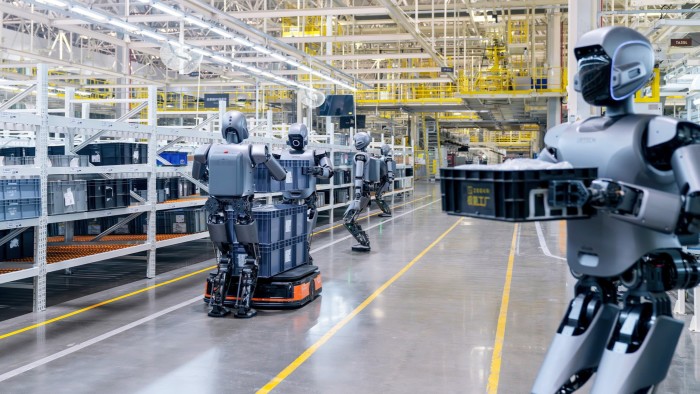
B. Building the Embodied Internet: The Metaverse Recalibrated
Following Meta’s high-profile rebrand, the metaverse became a buzzword surrounded by both excitement and skepticism. The Valley’s obsession has since matured, moving away from science fiction fantasies and focusing on the tangible, incremental technologies that will enable a future “embodied internet.”
B.1. The Hardware Frontier: Beyond the Mobile Phone
The belief is that the next major computing platform will not be in our pockets, but on our faces.
-
Mixed Reality as the Bridge: Devices like the Apple Vision Pro have validated the potential of Mixed Reality (MR)—seamlessly blending digital content with the physical world. The focus is on “passthrough” technology that allows users to remain present in their environment while overlaying useful digital information and experiences.
-
The Path to Consumer Adoption: The current generation of MR headsets are expensive, bulky, and geared toward developers and professionals. The obsession is with the engineering challenge of miniaturization: creating lighter, more powerful, longer-lasting, and ultimately, more affordable glasses that the average consumer will want to wear for extended periods.
-
Haptics and Sensory Immersion: The next frontier beyond visuals is touch. Startups are developing sophisticated haptic gloves and suits that can simulate the sensation of touching virtual objects, a critical component for true immersion in training simulations, design prototyping, and social interaction.
B.2. The Digital Asset Economy: Web3’s Pragmatic Pivot
The metaverse conversation is inextricably linked with Web3, though the hype around cryptocurrencies has given way to a more pragmatic focus on utility.
-
Digital Ownership and Identity: The core Web3 technologies of blockchain and NFTs are now seen as the potential backbone for a future where users truly own their digital assets—clothing for avatars, virtual real estate, unique items—and can transport them across different platforms and virtual worlds, unlike the current walled-garden approach.
-
Decentralized Autonomous Organizations (DAOs): These member-owned communities without centralized leadership are being experimented with for governing online communities, funding collective projects, and making decisions about the development of virtual worlds, representing a new model for digital collaboration and governance.
-
Interoperability as the Holy Grail: The ultimate goal, though distant, is to create standards that allow different metaverse platforms to interconnect. This would enable an avatar or item from one game or virtual space to function in another, creating a cohesive “metaverse” rather than a series of isolated digital theme parks.
C. Climate Tech as the Ultimate Moonshot
Silicon Valley has rediscovered its existential purpose in tackling climate change. This is no longer a niche philanthropic effort but is viewed as the largest economic opportunity of the 21st century, driven by a potent mix of mission and margin.
C.1. The Electrification and Energy Transition
The race to decarbonize the global economy is fueling massive investment and innovation.
-
Next-Generation Energy Storage: While lithium-ion batteries are mature, the Valley is obsessed with what comes next. This includes research into solid-state batteries for higher density and safety, long-duration grid storage solutions (like flow batteries or gravity storage) to support renewable energy grids, and novel chemistries that avoid scarce materials like cobalt.
-
Green Hydrogen: Producing hydrogen using renewable electricity (green hydrogen) is seen as a crucial clean fuel for hard-to-electrify sectors like long-haul shipping, aviation, and heavy industry. Startups are focused on driving down the cost of electrolyzers and creating efficient supply chains.
-
Nuclear Fusion: Once a fringe pursuit, fusion energy is now attracting serious capital from tech titans like Sam Altman and Jeff Bezos. While a commercial reactor is still decades away, advances in high-temperature superconductors and new confinement techniques have made the goal feel more attainable than ever before.
C.2. Carbon Dioxide Removal (CDR) and the Circular Economy
Beyond reducing emissions, there is a growing focus on actively removing legacy CO2 from the atmosphere.
-
Direct Air Capture (DAC): Companies like Stripe and Shopify are pre-purchasing tons of carbon removal from startups building massive machines that suck CO2 directly from the air. The challenge is scaling this technology to a gigaton level and bringing costs down dramatically.
-
Agricultural and Biological Solutions: There is also a renewed interest in enhancing nature’s own carbon sinks. This includes climate-smart agriculture, agroforestry, and ocean-based carbon sequestration, often monitored and verified using satellite imagery and AI.
-
Sustainable Materials and Supply Chains: The circular economy model—designing out waste and keeping materials in use—is being applied to everything from fashion to construction. Startups are creating lab-grown leather, mycelium-based packaging, and AI platforms to optimize recycling and material traceability.

D. Bio-Convergence: Programming the Code of Life
Perhaps the most profound new obsession is the treatment of biology as a form of information technology. The convergence of biology with computing and engineering is opening frontiers that were once the realm of science fiction.
D.1. Therapeutics and Longevity Science
The goal is to move healthcare from a reactive model to a predictive and curative one.
-
Gene Editing and CRISPR 2.0: While CRISPR-Cas9 was the breakthrough, the focus is now on next-generation tools like base editing and prime editing, which offer greater precision and the ability to correct a wider range of genetic mutations responsible for diseases like sickle cell anemia and Huntington’s.
-
Cellular Reprogramming and Senolytics: The ambitious field of longevity is gaining mainstream traction. Researchers and startups are investigating how to reprogram aged cells to a more youthful state and develop drugs (senolytics) that can clear out senescent “zombie” cells that contribute to aging and age-related diseases. The goal is not just to extend lifespan, but “healthspan”—the number of years lived in good health.
-
AI-Powered Drug Discovery: Machine learning models are being used to analyze biological data and predict how molecules will interact with targets in the body, dramatically accelerating the drug discovery process and reducing the billion-dollar cost of bringing a new drug to market.
D.2. The Bio-Digital Interface
This involves creating direct connections between biological systems and computers.
-
Brain-Computer Interfaces (BCIs): Pioneered by companies like Neuralink, BCIs aim to create high-bandwidth connections between the human brain and external devices. The initial applications are medical, such as helping paralyzed individuals control computers or robotic limbs with their thoughts, but the long-term implications for human cognition and communication are staggering.
-
Synthetic Biology and Bio-Fabrication: This involves designing and engineering biological organisms or components to perform specific tasks. This includes programming yeast to produce biofuels, engineering bacteria to create biodegradable plastics, and even growing building materials from mycelium (mushroom roots), representing a shift from extraction to biological cultivation.
Conclusion: The Convergence of All Frontiers
Silicon Valley’s new obsessions are not developing in isolation. Their true power lies in their convergence. AI is the indispensable tool for analyzing biological data, designing new climate solutions, and building immersive virtual worlds. Climate tech requires biotech to create new materials and AI to optimize complex energy systems. The metaverse could be the interface through which we interact with complex AI models or visualize climate data.
This interconnectedness is the defining characteristic of the current era. The next Google or Apple will likely not be a pure software company or a simple hardware maker. It will be an enterprise that masters the synthesis of these fields, creating products and services that are simultaneously intelligent, immersive, sustainable, and perhaps even biological. The Valley’s newest obsession, therefore, is not with a single technology, but with the alchemy of combining them to solve humanity’s biggest challenges and, in the process, build the industries of tomorrow.
Tags: Silicon Valley trends, generative AI, metaverse development, climate tech startups, bio-convergence, Web3 and NFT, venture capital, tech innovation, future of work, sustainable technology