The past two years have delivered a seismic shock to the global technology sector. Headlines once dominated by record-breaking profits and seemingly infinite growth have been replaced by a relentless stream of layoff announcements. Giants like Google, Amazon, Meta, Microsoft, and Salesforce, alongside countless startups, have collectively terminated hundreds of thousands of highly paid, skilled positions. This is not a temporary market correction but a fundamental and strategic “Great Restructuring” that signals a profound shift in the industry’s operating philosophy. The era of “growth at all costs” has decisively ended, replaced by a new mantra of “efficiency and sustainable profitability.” To understand this wave of job cuts is to look beyond simple economic pressures and recognize a complex confluence of factors: a pandemic-driven hiring bubble, rising interest rates, market saturation, and the strategic pivot toward an AI-dominated future. This restructuring is reshaping the corporate culture of Silicon Valley and redefining what it means to work in tech.
A. The Perfect Storm: Multifaceted Causes of the Layoff Wave
The job cuts are not the result of a single failure but a cascade of interconnected events and strategic miscalculations.
A.1. The Post-Pandemic Hangover and Over-Hiring
The COVID-19 pandemic created an artificial and unsustainable surge in demand for digital services, leading to a massive misallocation of human resources.
-
The Digital Demand Spike: With billions locked down, the world moved online. E-commerce, cloud computing, video conferencing, and streaming services experienced growth trajectories that were projected to continue indefinitely. Tech companies, flush with cash and cheap debt, embarked on a hiring spree to capture and hold this new market.
-
The Reality of Economic Reopening: As the world normalized, demand for these specific digital services plateaued or even declined. The growth projections that justified the massive expansion proved to be a mirage, leaving companies dangerously overstaffed for the post-pandemic economic reality. Meta, for instance, increased its headcount by over 60% between 2020 and 2022, a level that was simply unsustainable.
A.2. The Macroeconomic Squeeze: Interest Rates and Inflation
The global economic environment underwent a radical change, directly impacting the tech sector’s valuation and spending power.
-
The End of “Free Money”: For over a decade, near-zero interest rates made risk-taking inexpensive. Venture capital was plentiful, and companies prioritized user growth over immediate profits. When central banks aggressively raised rates to combat inflation, the cost of capital soared. Investors suddenly demanded profitability and positive cash flow, forcing companies to slash costs, with payroll being the largest expense.
-
The Impact on Advertising Revenue: Inflation and fears of a recession caused businesses to tighten their belts. One of the first budgets to be cut is often marketing and advertising, which is the primary revenue source for companies like Meta and Google. This direct hit to their top line necessitated rapid cost-cutting measures to protect their stock price.
A.3. Strategic Pivots and the AI Reallocation
Many of these layoffs are not just about cutting fat; they are about strategically redirecting resources toward the next technological frontier.
-
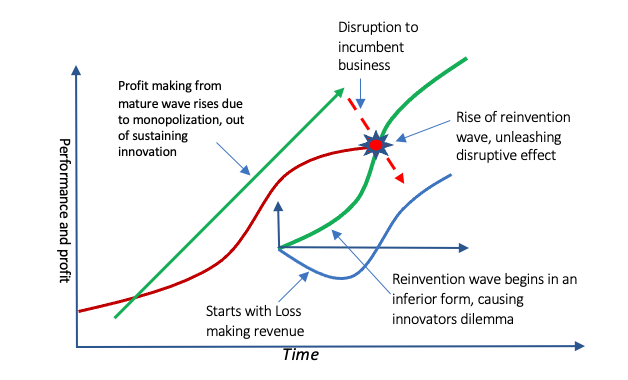
Killing “Moonshot” Projects: In the era of limitless growth, companies could afford to fund speculative, long-term “moonshot” projects in areas like augmented reality, blockchain, and futuristic connectivity. In the new era of efficiency, these loss-leading divisions are being scaled back or shuttered entirely to focus resources on core, profitable products.
-
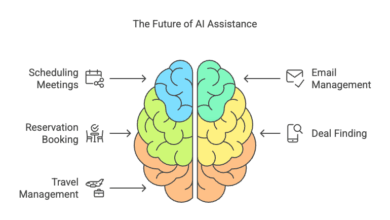
The AI Talent War: There is a massive internal reallocation of resources toward artificial intelligence, particularly generative AI. Companies are streamlining other departments to free up capital and headcount to hire and retain top AI researchers, engineers, and product managers. This isn’t just about reducing total headcount; it’s about reshaping the workforce for a new technological paradigm.
B. The Human Impact: Beyond the Headlines
Behind the staggering statistics are profound personal and professional consequences for individuals and the broader tech ecosystem.
B.1. The Shattered Illusion of Tech Job Security
A generation of tech workers who had known only growth and lavish perks is facing a harsh new reality.
-
The Psychological Contract Broken: The implicit promise of job security in exchange for long hours and intense loyalty has been shattered. This has led to widespread anxiety, burnout, and a crisis of confidence among remaining employees, often referred to as “survivor’s guilt.”
-
The H-1B Visa Crisis: Thousands of laid-off workers on H-1B visas in the United States faced the added pressure of having only 60 days to find a new sponsor or be forced to leave the country, turning a professional setback into a personal crisis.
-
The Specialist’s Dilemma: Highly specialized employees in shuttered departments (e.g., meta’s metaverse division) found their skills were not easily transferable, facing a much more challenging job search than generalist software engineers.
B.2. The Ripple Effect on the Global Economy
The impact of tech layoffs extends far beyond Silicon Valley.
-
The Startup Funding Winter: Venture capital firms, spooked by the downturn in public tech markets, have become intensely conservative. Funding has dried up for many startups, forcing them into their own rounds of layoffs or closure, creating a cascading effect throughout the innovation ecosystem.
-
Collateral Damage to Ancillary Services: The tech boom supported a vast ecosystem of contractors, vendors, and service providers—from corporate catering and office management to marketing agencies and luxury real estate. The mass layoffs and shift to remote work have severely impacted these dependent industries.
C. The Changing Face of Corporate Tech Culture
This restructuring is permanently altering the culture and operational models of the world’s most influential companies.
C.1. The Demise of “Fuzzy” Perks and the Rise of “Hardcore” Culture
The famous Silicon Valley perks are being scaled back in favor of a more austere, performance-driven environment.
-
From Perks to Performance: Free gourmet meals, lavish parties, and unlimited vacation policies are being re-evaluated. The new focus is on productivity metrics, output, and a clear connection between an employee’s work and the company’s bottom line. This signals a cultural shift away from the “work-as-life” campus model.
-
Increased Scrutiny and Performance Management: Many companies have quietly reinstated or toughened their performance review systems, using them as a tool to manage out lower-performing employees in a way that avoids the bad publicity of mass layoffs. The environment has become more competitive and less forgiving.
C.2. The Remote Work Reckoning
The layoffs have become intertwined with the ongoing debate about remote work.
-
The Proximity Bias Threat: Many employees fear that those working remotely are “out of sight, out of mind,” making them more vulnerable during layoff decisions. Some executives, like Meta’s Mark Zuckerberg, have explicitly stated that remote workers may face different performance expectations.
-
The Consolidation of Power: As companies shed jobs, there is a tendency to consolidate remaining teams in key hub locations or demand a return to the office to foster what leaders call “collaboration and culture,” but which critics see as a way to reassert managerial control.
D. A Silver Lining? Opportunities and the Path Forward
Despite the pain, this period of contraction is also creating new opportunities and forcing a healthier, more sustainable maturation of the tech industry.
D.1. The Startup Renaissance and Entrepreneurial Boom
Historically, economic downturns and layoffs have been fertile ground for the next generation of groundbreaking companies.
-
A Flood of Talent: The market is now saturated with experienced engineers, product managers, and designers who have severance packages and a newfound motivation to build their own ventures. This could lead to an innovation boom as these talented individuals solve problems they are passionate about.
-
Leaner, Smarter Startups: The new generation of startups is being built with a “default alive” mentality from day one—focusing on revenue and profitability much earlier, leading to more resilient and sustainable business models.
D.2. A Rebalancing of Power and a Shift in Worker Priorities
The event has catalyzed a change in how tech workers view their careers and employers.
-
The Rise of “Activist Employees”: Tech workers are becoming more vocal about corporate strategy and ethics. We see this in employee pushback against certain military contracts, ethical concerns around AI, and demands for greater transparency from leadership.
-
The Prioritization of Stability and Mission: The allure of free snacks and ping-pong tables has faded. Talented workers are now more likely to prioritize a company’s financial health, ethical standing, and clear mission over superficial perks, leading to a better alignment of values in the long run.
D.3. The Strategic Emergence of a More Focused Tech Industry
On the other side of this restructuring, the tech industry is likely to emerge leaner, more focused, and more powerful.
-
A Return to Core Competencies: Companies are being forced to focus on what they do best. This could lead to a period of intense innovation and refinement in their core products (search, cloud computing, social networking, e-commerce) rather than diffuse efforts across dozens of speculative projects.
-
The AI-Centric Future is Now: The reallocation of talent and capital toward AI is accelerating its development. The companies that successfully navigate this transition will be at the forefront of the next computing revolution, potentially emerging even stronger than before.
Conclusion: Not an End, but a Recalibration
The “Great Restructuring” in tech is a painful but necessary recalibration for an industry that had lost its discipline. It marks the end of its reckless adolescence and the difficult beginning of its mature adulthood. The days of unchecked expansion and seemingly limitless resources are over. The path forward is one of strategic focus, operational efficiency, and a renewed emphasis on creating real, sustainable value. For the individuals affected, the period is one of undeniable hardship. But for the industry and the global economy it supports, this contraction may ultimately forge a more resilient, innovative, and responsible technology sector, one that is better prepared to build the future rather than simply chase hyper-growth. The tech giant slashes are not a sign of systemic failure, but a brutal and transformative pruning, from which a stronger, more focused industry will grow.
Tags: tech industry layoffs, mass layoffs, Google layoffs, Meta job cuts, Amazon restructuring, tech hiring freeze, startup funding winter, H-1B visa layoffs, tech recession, corporate restructuring